



Procedure - Ulisse Amendolagine
1. The canonical norms concerning the procedure to be followed in the Causes of Saints are stated in the Apostolic Constitution Divinus Perfectionis Magister promulgated by John Paul II on 25 January 1983 (AAS LXXV, 1983, 349-355).
2. To initiate a Cause it is necessary that at least five years pass after the death of the candidate. This is to allow for greater balance and objectivity in the evaluation of the case and to allow the emotions of the moment to decant. There must be a clear conviction among people about his/her sanctity (fama sanctitas) and about the efficacy of his/her intercession with the Lord (fama signorum).
Links - Ulisse Amendolagine
Documentation [Ulisse Amendolagine]
PLEASE NOTE
1) In order to be able to consult the Positio please fill in the request form on this page.
2) If your request is accepted, we will then send you the conditions and directions for consulting the document.
Teresa di Gesù (Marchocka)
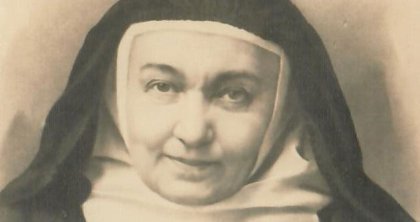
Marianna Marchocka was born on 25 June 1603 in Stroze (Poland), the second of three children of Paul and Elizabeth Marchockiego of Modrzejewskich.
Despite the opposition of her parents, under the influence of meetings with Peter Kordońskim and reading the biography of Teresa of Avila, on April 26, 1620, Marianna Marchocka entered the Carmelite monastery of St. Martin in Kraków. She took the name Teresa of Jesus in honour of St. Teresa of Avila.
In 1637 she was appointed prioress. She was mistress of novices from 1630 to 1639.
In 1642 she moved to Lviv, to found a new monastery of the Order. She was the first prioress and mistress of the Lviv monastery.
In 1648, because of the Khmelnytsky Uprising, the Carmelite nuns had to flee to Kraków and later moved to Warsaw. In Warsaw she was also appointed prioress. In 1650 Teresa's health began to deteriorate, leaving her suffering from partial paralysis. In January 1652, after years as prioress, she gave up this office.
She died on 19th of April 1652.
The diocesan process into her «life, virtue and reputation for holiness» ended on April 24, 2015 in the Archdiocese of Krakow. On 18th of November 2016, the decree of validity was granted.
Procedure - Teresa di Gesù (Marchocka)
1. The canonical norms concerning the procedure to be followed in the Causes of Saints are stated in the Apostolic Constitution Divinus Perfectionis Magister promulgated by John Paul II on 25 January 1983 (AAS LXXV, 1983, 349-355).
2. To initiate a Cause it is necessary that at least five years pass after the death of the candidate. This is to allow for greater balance and objectivity in the evaluation of the case and to allow the emotions of the moment to decant. There must be a clear conviction among people about his/her sanctity (fama sanctitas) and about the efficacy of his/her intercession with the Lord (fama signorum).
Links - Teresa di Gesù (Marchocka)

Documentation [Teresa di Gesù (Marchocka)]
PLEASE NOTE
1) In order to be able to consult the Positio please fill in the request form on this page.
2) If your request is accepted, we will then send you the conditions and directions for consulting the document.
[No form id or name provided!]
Teresa di Gesù (Gimma)
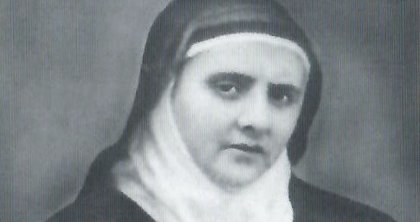
Teresa Gimma was born in Bari (Italy) on March 10, 1880. To her parents, saddened by the loss of two children, she gave new joy and new hope. She was given the name Teresa.
At the age of 18 she asked to join the Daughters of St. Teresa. This request created havoc in the serene house of the Gimma spouses, who looked to their daughter as the only heir of their family.
Despite these pressures and opposition, supported by a mysterious force, Teresa crossed the blessed threshold of the Carmel of St. Joseph in Bari, on May 29, 1898.
After the Postulancy, which was quite prolonged through the prayers of Cavaliere Gimma, who was hoping for and awaiting the return of his beloved daughter to the ancestral Home, Teresa was finally able to put on the Sacred woollen habit of Carmel, amid the admiration and enthusiasm of those who knew her. Her baptismal name was kept at her Father’s wish. When the formal command from the Archbishop to leave her monastery to give life to a new Carmel arrived on July 13, 1920, Sister Teresa immediately left (July 14, 1920) the beloved Cloister, after twenty-two years of peace and intimate joys, enjoyed in the sweet oasis of St. Joseph, and returned to her father's home.
The following day, July 15, by the express will of His Excellency, Monsignor Vaccaro, the first Holy Mass was celebrated in the improvised chapel of Palazzo Gimma. On that same day, His Excellency sent a letter to Sister Teresa, promising to protect the nascent work and inviting her to begin the work of transforming the Palace.
In 1932, Archbishop Augusto Curi, in agreement with the Superiors of the Order, decided to transfer the nuns to another place, far from the city. The present villa was purchased and enlarged and modified according to their needs. The Community left Palazzo Gimma, and moved to Via Salerno in 1935.
On June 5, 1938, the Religious made solemn vows, and ten years later, in 1948, on the first of December, the Mother Foundress, who had already seen her work prosper, after a very edifying life gave up her soul to God.
The diocesan process into her «life, virtue and reputation for holiness» ended on 6th of June 2012 in the Archdiocese of Bari-Bitonto. On 19th of June 2015, the decree of validity was granted.
Procedure - Teresa di Gesù (Gimma)
1. The canonical norms concerning the procedure to be followed in the Causes of Saints are stated in the Apostolic Constitution Divinus Perfectionis Magister promulgated by John Paul II on 25 January 1983 (AAS LXXV, 1983, 349-355).
2. To initiate a Cause it is necessary that at least five years pass after the death of the candidate. This is to allow for greater balance and objectivity in the evaluation of the case and to allow the emotions of the moment to decant. There must be a clear conviction among people about his/her sanctity (fama sanctitas) and about the efficacy of his/her intercession with the Lord (fama signorum).
Links - Teresa di Gesù (Gimma)
Last News

Venerable Jean-Thierry of the Child Jesus and the …
June 17, 2026

Venerable Maria Eletta di Gesù
June 17, 2026

Venerable Maria Teresa of the Most Holy Trinity (Y…
June 17, 2026

Blessed Anna of Saint Bartholomew
June 10, 2026

Martyrs of Santander
May 27, 2026
