



Procedure - Martiri di Compiegne
1. The canonical norms concerning the procedure to be followed in the Causes of Saints are stated in the Apostolic Constitution Divinus Perfectionis Magister promulgated by John Paul II on 25 January 1983 (AAS LXXV, 1983, 349-355).
2. To initiate a Cause it is necessary that at least five years pass after the death of the candidate. This is to allow for greater balance and objectivity in the evaluation of the case and to allow the emotions of the moment to decant. There must be a clear conviction among people about his/her sanctity (fama sanctitas) and about the efficacy of his/her intercession with the Lord (fama signorum).
Martiri di Barcellona (Luca di S. Giuseppe e 13 Compagni)
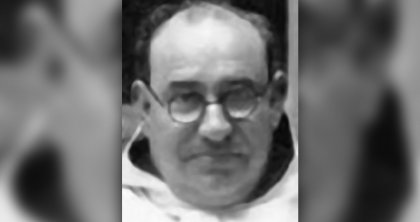
Father Luke of San Joseph (born José Tristany Pujol) and 13 of his confreres, Discalced Carmelites of Barcelona, suffered martyrdom at the height of the Spanish Civil War. Their names are: Fathers Luke of St Joseph, George of St Joseph, James of St Teresa, John Joseph of Jesus Crucified, Romualdo of St Catherine, Peter Thomas of the Virgin of the Pilar, Louis Mary of the God of Mercy, Joseph Mariano of the Angels, Marcelo of St Anne, Anthony Mary of Jesus, Alphonsus of the Sacred Heart of Mary, Edward of the Infant Jesus, Gabriel of the Annunciation and Joachim of St Joseph.
The decree on their martyrdom was promulgated on June 22, 2004. The beatification ceremony took place on October 28, 2007.
Documentation [Martiri di Barcellona (Luca di S. Giuseppe e 13 Compagni)]
PLEASE NOTE
1) In order to be able to consult the Positio please fill in the request form on this page.
2) If your request is accepted, we will then send you the conditions and directions for consulting the document.
Links - Martiri di Barcellona (Luca di S. Giuseppe e 13 Compagni)

Procedure - Martiri di Barcellona
1. The canonical norms concerning the procedure to be followed in the Causes of Saints are stated in the Apostolic Constitution Divinus Perfectionis Magister promulgated by John Paul II on 25 January 1983 (AAS LXXV, 1983, 349-355).
2. To initiate a Cause it is necessary that at least five years pass after the death of the candidate. This is to allow for greater balance and objectivity in the evaluation of the case and to allow the emotions of the moment to decant. There must be a clear conviction among people about his/her sanctity (fama sanctitas) and about the efficacy of his/her intercession with the Lord (fama signorum).
Maria Sagrario di San Luigi Gonzaga
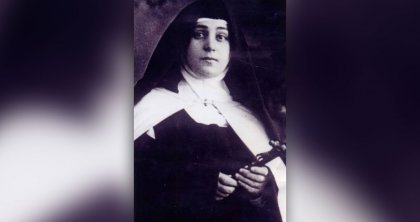
Elvira was born in Lillo, Spain, on January 8, 1881, to Ricardo Moragas and Isabel Cantarero, the third of four children. Following in her father's footsteps she became the first woman in her country to obtain a degree in pharmacy.
On 15th of June 1915, she entered the Discalced Carmelite nuns in the monastery of Saints Anne and Joseph in Madrid. On 24th of December 1916 she made her simple vows and on 6th of January 1920 her solemn vows.
She was fervently devoted to the mystery of the Most Blessed Sacrament, so much so that she received the religious name of «Sagrario», which in Spanish means «Tabernacle», becoming Sr Mary Sagrario of St Aloysius Gonzaga.
From 1927 to 1933, she was prioress of the monastery, later she was entrusted with the humble task of porter or Turn Sister. On 1st of July 1936, she was re-elected prioress of the community, and had to face the precipitating political events that led to the outbreak of the Spanish Civil War and anti-Catholic persecution.
Despite the intimidation pressuring the community to leave the monastery, she remained there with some sisters. On July 20, the monastery was stormed by militiamen, and she was taken to a «checa», an installation used by the Republican faction to detain, torture, judge and execute those who were suspected sympathizers of the opposing side. Finally, taken to the town of «Pradera de San Isidro» near Madrid, she was shot in the early hours of August 15, 1936.
The decree on martyrdom was promulgated on March 8, 1997. The beatification ceremony took place on May 10, 1998.
Documentation [Maria Sagrario di San Luigi Gonzaga]
PLEASE NOTE
1) In order to be able to consult the Positio please fill in the request form on this page.
2) If your request is accepted, we will then send you the conditions and directions for consulting the document.
[No form id or name provided!]
Links - Maria Sagrario di San Luigi Gonzaga
Procedure - Maria Sagrario di San Luigi Gonzaga
1. The canonical norms concerning the procedure to be followed in the Causes of Saints are stated in the Apostolic Constitution Divinus Perfectionis Magister promulgated by John Paul II on 25 January 1983 (AAS LXXV, 1983, 349-355).
2. To initiate a Cause it is necessary that at least five years pass after the death of the candidate. This is to allow for greater balance and objectivity in the evaluation of the case and to allow the emotions of the moment to decant. There must be a clear conviction among people about his/her sanctity (fama sanctitas) and about the efficacy of his/her intercession with the Lord (fama signorum).
Maria Felicia di Gesù Sacramentato

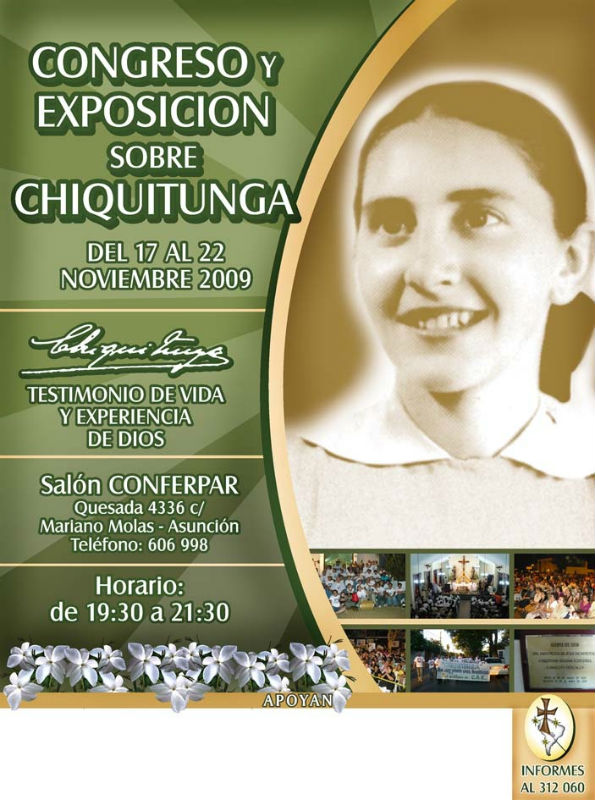
María Felicia Guggiari Echeverría, known as Chiquitunga (little one), was a young woman who lived in Paraguay in the first half of the twentieth century. She was born in Villarrica (Republic of Paraguay) on January 12, 1925. She was the eldest of seven siblings born to the marriage of Ramón Guggiari and Arminda Echeverría.
She enthusiastically adhered to Catholic Action, living the associated journey of service to children, the poor and sick. She had a special friendship with Ángel Sauá Llanes, a medical graduate and member of Catholic Action like her, who confided to her his desire to become a priest.
After meeting Mother Teresa Margaret of the Sacred Heart, prioress of the first Paraguayan Carmel, she began to understand what her vocation was: at the age of thirty she entered the Carmelite convent of Asunción and took the name of Sister Maria Felicia of Jesus in the Blessed Sacrament. In January 1959 she discovered that she was ill with infectious hepatitis: she therefore offered her condition with the same generosity that had seen her engaged in the apostolate and with which she renounced her feeling for her friend.
She died on April 28, 1959, at the age of 34. Her mortal remains rest since April 28, 1993 in the chapel of the Asunción Carmel.
On June 23, 2018, the solemn celebration of her beatification was held in Asunción.
 28 April - Blessed Maria Felicia of Jesus in the Blessed Sacrament Guggiari Echeverría, Virgin


https://www.postocd.org/index.php/en/biography-maria-degli-angeli-operti/itemlist/user/42-superuser?start=270#sigProId4237d2a351
Last News

Venerable Jean-Thierry of the Child Jesus and the …
June 17, 2026

Venerable Maria Eletta di Gesù
June 17, 2026

Venerable Maria Teresa of the Most Holy Trinity (Y…
June 17, 2026

Blessed Anna of Saint Bartholomew
June 10, 2026

Martyrs of Santander
May 27, 2026
