



Iconografia - Margherita Maria del Cuore Eucaristico di Gesù
Margherita Maria del Cuore Eucaristico di Gesù

Nacque a Cocentaina, diocesi di Valencia il 16 marzo 1908 e fu battezzata il 25 di quel mese nella parrocchia di Santa María. A 8 anni ha fatto la sua prima comunione. A 12 anni entrò nella scuola della RR. della Purezza di Maria nella città di Onteniente, restando sei anni come stagista. Nel 1934, all'età di 26 anni, entrò nel convento delle carmelitane Scalze di Manises, dove emise i voti semplici il 9 gennaio 1936, prendendo il nome di Margherita Maria dal Cuore Eucaristico di Gesù.
In occasione della persecuzione religiosa del 1936, le Carmelitane di Manises dovettero lasciare il convento; Margherita trovò rifugio nella casa del Beato Vincenzo Vilar David, martire, la cui moglie la signora Isabel Rodes, era originaria di Cocentaina.
Margherita, quando poté, riuscì a tornare a casa dei suoi genitori, restandovi per alcuni mesi, anche se per maggiore sicurezza cercò riparo nella casa dei parenti nella città di Alcoy, per tutto il tempo che durò la persecuzione religiosa.
Nella primavera del 1939, suor Margherita ritornò al convento delle Carmelitane di Manises dove emise la professione solenne il 5 febbraio 1940. Nel 1948 fu eletta superiora del Carmelo di Manises, carica che mantenne fino al 1951. Di fronte all'aumento delle vocazioni, le Carmelitane di Manises fondarono un nuovo convento a Villa de Buñol nel maggio 1951; c'erano sei sorelle fondatrici di quel nuovo Carmelo, tra loro c'era la Serva di Dio che manterrà, per diversi anni, la carica di superiora. Nel 1982, a 75 anni, fu eletta Priora del Convento di Buñol.
Data la scarsità di vocazioni e il deterioramento materiale del convento, la Serva di Dio, su consiglio dei superiori, si presa carico di un possibile trasferimento a Lugo. Dopo aver ottenuto i permessi dall'Arcivescovo di Valencia, dal Vescovo di Lugo e dalla Santa Sede, nel 1983 fondò il monastero della Santissima Trinità delle Carmelitane Scalze in quella città galiziana. Come Priora, M. Margherita María del Cuore Eucaristico di Gesù rimase fino al 1989. L'11 febbraio 1992, la Serva di Dio, che stava per compiere 84 anni, morì nella Sacra Famiglia del Carmelo di Lugo.
Il processo diocesano sulla "vita, virtù e fama di santità", istruito nell’Arcidiocesi di Valencia, si è chiuso il 24 aprile 2018.
Cookie & Privacy Policy
Informativa completa
Questa informativa sull'utilizzo dei cookie sul sito web www.postocd.org è resa all'utente in attuazione del provvedimento del Garante per la protezione dei dati personali dell'8 maggio 2014 "Individuazione delle modalità semplificate per l'informativa e l'acquisizione del consenso per l'uso dei cookies" e nel rispetto dell'art. 13 del Codice privacy (D.Lgs. n. 196/2003) e del Regolamento Ue 2016/679 (GDPR – General Data Protection Regulation).
La presente Cookie Policy è relativa al sito www.postocd.org, (“Sito”) gestito dai CARMELITANI SCALZI - CASA GENERALIZIA, con sede in Corso d'Italia, 38 - 00198 ROMA - P.IVA 01024641001.
Ogni ulteriore richiesta circa l'utilizzo dei cookie nel presente sito web può essere inviata attraverso la sezione Contatti esistente nel presente sito.
Puoi utilizzare la stessa sezione Contatti per esercitare in qualsiasi momento i diritti che il Codice ti attribuisce in qualità di interessato (art. 7 e ss D.Lgs. 30 giugno 2003, n. 196: ad esempio, accesso, cancellazione, aggiornamento, rettificazione, integrazione, ecc.), nonché per chiedere l'elenco aggiornato dei Responsabili del trattamento eventualmente designati.
I tuoi dati personali sono trattati in ogni caso secondo le normative in vigore e non sono comunicati né diffusi.
Cosa sono i Cookies?
I cookies sono piccoli file di testo inviati all'utente dal sito web visitato. Vengono memorizzati sull’hard disk del computer, consentendo in questo modo al sito web di riconoscere gli utenti e memorizzare determinate informazioni su di loro, al fine di permettere o migliorare il servizio offerto.
Esistono diverse tipologie di cookies. Alcuni sono necessari per poter navigare sul Sito, altri hanno scopi diversi come garantire la sicurezza interna, amministrare il sistema, effettuare analisi statistiche, comprendere quali sono le sezioni del Sito che interessano maggiormente gli utenti o offrire una visita personalizzata del Sito, ecc.
Quanti tipi di cookies esistono?
Esistono due macro-categorie fondamentali, con caratteristiche diverse: cookies tecnici e cookies di profilazione.
I cookies tecnici sono generalmente necessari per il corretto funzionamento del sito web e per permettere la navigazione; senza di essi potresti non essere in grado di visualizzare correttamente le pagine oppure di utilizzare alcuni servizi. Per esempio, un cookie tecnico è indispensabile per mantenere l'utente collegato durante tutta la visita a un sito web, oppure per memorizzare le impostazioni della lingua, della visualizzazione, e così via.
Essi non vengono utilizzati per scopi ulteriori e sono normalmente installati direttamente dal titolare o gestore del sito web. Possono essere suddivisi in cookies di navigazione o di sessione, che garantiscono la normale navigazione e fruizione del sito web (permettendo, ad esempio, di realizzare un acquisto o autenticarsi per accedere ad aree riservate); cookies analytics, assimilati ai cookies tecnici laddove utilizzati direttamente dal gestore del sito per raccogliere informazioni, in forma aggregata, sul numero degli utenti e su come questi visitano il sito stesso; cookies di funzionalità, che permettono all'utente la navigazione in funzione di una serie di criteri selezionati (ad esempio, la lingua, i prodotti selezionati per l'acquisto) al fine di migliorare il servizio reso allo stesso.
Per l'installazione di tali cookies non è richiesto il preventivo consenso degli utenti, mentre resta fermo l'obbligo di dare l'informativa ai sensi dell'art. 13 del Codice, che il gestore del sito, qualora utilizzi soltanto tali dispositivi, potrà fornire con le modalità che ritiene più idonee. I cookies di profilazione sono più sofisticati! Questi cookies hanno il compito di profilare l'utente e vengono utilizzati al fine di inviare messaggi pubblicitari in linea con le preferenze manifestate dallo stesso durante la sua navigazione. In ragione della particolare invasività che tali dispositivi possono avere nell'ambito della sfera privata degli utenti, la normativa europea e italiana prevede che l'utente debba essere adeguatamente informato sull'uso degli stessi ed esprimere così il proprio valido consenso.
Ad essi si riferisce l'art. 122 del Codice laddove prevede che "l'archiviazione delle informazioni nell'apparecchio terminale di un contraente o di un utente o l'accesso a informazioni già archiviate sono consentiti unicamente a condizione che il contraente o l'utente abbia espresso il proprio consenso dopo essere stato informato con le modalità semplificate di cui all'articolo 13, comma 3" (art. 122, comma 1, del Codice).
I cookies possono essere ulteriormente distinti in:
- cookies di navigazione, che garantiscono la normale navigazione e fruizione del sito web (permettendo, ad esempio, di realizzare un acquisto o autenticarsi per accedere ad aree riservate);
- cookies analytics, assimilati ai cookies tecnici solo laddove utilizzati direttamente dal gestore del sito per raccogliere informazioni, in forma aggregata, sul numero degli utenti e su come questi visitano il sito stesso.
- cookies di funzionalità, che permettono all'utente la navigazione in funzione di una serie di criteri selezionati (ad esempio, la lingua, i prodotti selezionati per l'acquisto) al fine di migliorare il servizio reso allo stesso.
- cookies essenziali sono strettamente necessari per il funzionamento del Sito. Senza l'uso di tali cookies alcune parti del Sito non funzionerebbero. Comprendono, ad esempio, i cookies che consentono di accedere in aree protette del Sito. Questi cookies non raccolgono informazioni per scopi di marketing e non possono essere disattivati
- cookies di sessione, i quali vengono cancellati immediatamente alla chiusura del browser di navigazione; cookies persistenti, i quali - a differenza di quelli di sessione - rimangono all'interno del browser per un determinato periodo di tempo. Sono utilizzati, ad esempio, per riconoscere il dispositivo che si collega al sito agevolando le operazioni di autenticazione per l'utente.
- cookies persistenti, i quali - a differenza di quelli di sessione - rimangono all'interno del browser per un determinato periodo di tempo. Sono utilizzati, ad esempio, per riconoscere il dispositivo che si collega al sito agevolando le operazioni di autenticazione per l'utente.
- cookies di prima parte (first-part cookies) ossia cookies generati e gestiti direttamente dal soggetto gestore del sito web sul quale l'utente sta navigando.
- cookie di terza parte (third-part cookies), i quali sono generati e gestiti da soggetti diversi dal gestore del sito web sul quale l'utente sta navigando (in forza, di regola, di un contratto tra il titolare del sito web e la terza parte).
- cookies di condivisone sui Social Network, facilitano la condivisione dei contenuti del sito attraverso social network quali Facebook e Twitter, solitamente vengono considerati cookies di terze parti.
Se preferisci che Google Analytics non utilizzi i dati raccolti in nessun modo puoi utilizzare la navigazione anonima (opzione Do Not Track) del tuo browser. Le modalità di funzionamento nonché le opzioni per limitare o bloccare i cookie, possono essere effettuate modificando le impostazioni del proprio browser Internet.
I cookies tecnici e gli analytics sono alcuni dei cookies che usiamo per rendere la tua navigazione piacevole.
La disabilitazione dei cookies potrebbe limitare la possibilità di usare il Sito e impedire di beneficiare in pieno delle funzionalità e dei servizi presenti sul Sito. Per decidere quali accettare e quali rifiutare, è illustrata di seguito una descrizione dei cookies utilizzati sul Sito.
È possibile inoltre visitare il sito, in lingua inglese, www.aboutcookies.org per informazioni su come poter gestire/eliminare i cookies in base al tipo di browser utilizzato.
Per eliminare i cookies dal browser Internet del proprio smartphone/tablet, è necessario fare riferimento al manuale d’uso del dispositivo.
Questo sito fa uso di cookies di terze parti per:
Monitorare le visite e ottenere statistiche sull'attività degli utenti nel sito
- Google Analytics (GA4) per il monitoraggio delle visite e per l'ottenimento di statistiche sull'attività del sito. Maggiori informazioni sono contenute nella privacy policy di Google Analytics.
Condividere sui social network le pagine di questo sito:
Per maggiori informazioni sui singoli servizi scorrere la pagina e vedere le privacy policy rispettive ai singoli servizi.
Modalità e luogo del trattamento dei Dati raccolti
Modalità di trattamento
Il Titolare tratta i Dati Personali degli Utenti adottando le opportune misure di sicurezza volte ad impedire l’accesso, la divulgazione, la modifica o la distruzione non autorizzate dei Dati Personali.
Il trattamento viene effettuato mediante strumenti informatici e/o telematici, con modalità organizzative e con logiche strettamente correlate alle finalità indicate. Oltre al Titolare, in alcuni casi, potrebbero avere accesso ai Dati categorie di incaricati coinvolti nell’organizzazione del sito (personale amministrativo, commerciale, marketing, legali, amministratori di sistema) ovvero soggetti esterni (come fornitori di servizi tecnici terzi, corrieri postali, hosting provider, società informatiche, agenzie di comunicazione) nominati anche, se necessario, Responsabili del Trattamento da parte del Titolare. L’elenco aggiornato dei Responsabili potrà sempre essere richiesto al Titolare del Trattamento.
Luogo
I Dati sono trattati presso le sedi operative del Titolare ed in ogni altro luogo in cui le parti coinvolte nel trattamento siano localizzate. Per ulteriori informazioni, contatta il Titolare.
Tempi
I Dati sono trattati per il tempo necessario allo svolgimento del servizio richiesto dall’Utente, o richiesto dalle finalità descritte in questo documento, e l’Utente può sempre chiedere l’interruzione del Trattamento o la cancellazione dei Dati.
Finalità del Trattamento dei Dati raccolti
I Dati dell’Utente sono raccolti per consentire al Titolare di fornire i propri servizi, così come per le seguenti finalità: Commento dei contenuti, Contattare l'Utente, Interazione con social network e piattaforme esterne, Statistica e Visualizzazione di contenuti da piattaforme esterne.
Dettagli sul trattamento dei Dati Personali
I Dati Personali sono raccolti per le seguenti finalità ed utilizzando i seguenti servizi:
· Commento dei contenuti
I servizi di commento consentono agli Utenti di formulare e rendere pubblici propri commenti.
Gli Utenti, a seconda delle impostazioni decise dal Titolare, possono lasciare il commento anche in forma anonima. Nel caso tra i Dati Personali rilasciati dall’Utente ci sia l’email, questa potrebbe essere utilizzata per inviare notifiche di commenti riguardanti lo stesso contenuto. Gli Utenti sono responsabili del contenuto dei propri commenti.
Nel caso in cui sia installato un servizio di commenti fornito da soggetti terzi, è possibile che, anche nel caso in cui gli Utenti non utilizzino il servizio di commento, lo stesso raccolga dati di traffico relativi alle pagine in cui il servizio di commento è installato.
· Contattare l'Utente
Modulo di contatto
L’Utente, compilando con i propri Dati il modulo di contatto, acconsente al loro utilizzo per rispondere alle richieste di informazioni, di preventivo, o di qualunque altra natura indicata dall’intestazione del modulo.
Dati personali raccolti: Nome, Cognome, Email.
Mailing List o Newsletter
Con la registrazione alla mailing list o alla newsletter, l’indirizzo email dell’Utente viene automaticamente inserito in una lista di contatti a cui potranno essere trasmessi messaggi email contenenti informazioni, anche di natura commerciale e promozionale. L'indirizzo email dell'Utente potrebbe anche essere aggiunto a questa lista come risultato della registrazione o dopo aver effettuato un acquisto.
Dati personali raccolti: Email.
· Interazione con social network e piattaforme esterne
Questi servizi permettono di effettuare interazioni con i social network, o con altre piattaforme esterne, direttamente dalle pagine di questo sito.
Le interazioni e le informazioni acquisite da queste applicazioni sono in ogni caso soggette alle impostazioni privacy dell’Utente relative ad ogni social network.
Nel caso in cui sia installato un servizio di interazione con i social network, è possibile che, anche nel caso gli Utenti non utilizzino il servizio, lo stesso raccolga dati di traffico relativi alle pagine in cui è installato.
Pulsante +1 e widget sociali di Google+ (Google Inc.)
Il pulsante +1 e i widget sociali di Google+ sono servizi di interazione con il social network Google+, forniti da Google Inc.
Dati personali raccolti: Cookie e Dati di utilizzo.
Luogo del trattamento : USA
Pulsante Mi Piace e widget sociali di Facebook (Facebook, Inc.)
Il pulsante “Mi Piace” e i widget sociali di Facebook sono servizi di interazione con il social network Facebook, forniti da Facebook, Inc.
Dati personali raccolti: Cookie e Dati di utilizzo.
Luogo del trattamento : USA
Pulsante Tweet e widget sociali di Twitter (Twitter, Inc.)
Il pulsante Tweet e i widget sociali di Twitter sono servizi di interazione con il social network Twitter, forniti da Twitter, Inc.
Dati personali raccolti: Cookie e Dati di utilizzo.
Luogo del trattamento : USA
Pulsante “Pin it” e widget sociali di Pinterest (Pinterest)
Il pulsante “Pin it” e widget sociali di Pinterest sono servizi di interazione con la piattaforma Pinterest, forniti da Pinterest Inc.
Dati personali raccolti: Cookie e Dati di utilizzo.
Luogo del trattamento : USA
Pulsante “Linkedin” e widget sociali di Linkedin (Linkedin)
Il pulsante “Linkedin” e widget sociali di Linkedin sono servizi di interazione con la piattaforma Linkedin, forniti da Linkedin Inc.
Dati personali raccolti: Cookie e Dati di utilizzo.
Luogo del trattamento : USA
· Statistica
I servizi contenuti nella presente sezione permettono al Titolare del Trattamento di monitorare e analizzare i dati di traffico e servono a tener traccia del comportamento dell’Utente.
Google Analytics (Google Inc.)
Google Analytics (GA4) è un servizio di analisi web fornito da Google Inc. (“Google”). Google utilizza i Dati Personali raccolti allo scopo di tracciare ed esaminare l’utilizzo di questa Applicazione, compilare report e condividerli con gli altri servizi sviluppati da Google.
Google potrebbe utilizzare i Dati Personali per contestualizzare e personalizzare gli annunci del proprio network pubblicitario.
Dati personali raccolti: Cookie e Dati di utilizzo.
Luogo del trattamento : USA
· Visualizzazione di contenuti da piattaforme esterne
Questi servizi permettono di visualizzare contenuti ospitati su piattaforme esterne direttamente dalle pagine di questa Applicazione e di interagire con essi.
Nel caso in cui sia installato un servizio di questo tipo, è possibile che, anche nel caso gli Utenti non utilizzino il servizio, lo stesso raccolga dati di traffico relativi alle pagine in cui è installato.
Widget Google Maps (Google Inc.)
Google Maps è un servizio di visualizzazione di mappe gestito da Google Inc. che permette a questa Applicazione di integrare tali contenuti all’interno delle proprie pagine.
Dati personali raccolti: Cookie e Dati di utilizzo.
Luogo del trattamento : USA – Privacy Policy
Widget Video Youtube (Google Inc.)
Youtube è un servizio di visualizzazione di contenuti video gestito da Google Inc. che permette a questa Applicazione di integrare tali contenuti all’interno delle proprie pagine.
Dati personali raccolti: Cookie e Dati di utilizzo.
Luogo del trattamento : USA
Widget Video Vimeo
Vimeoè un servizio di visualizzazione di contenuti video gestito da Vimeo, Inc. che permette a questa Applicazione di integrare tali contenuti all’interno delle proprie pagine.
Dati personali raccolti: Cookie e Dati di utilizzo.
Luogo del trattamento : USA
Ulteriori informazioni sul trattamento
Difesa in giudizio
I Dati Personali dell’Utente possono essere utilizzati per la difesa da parte del Titolare in giudizio o nelle fasi propedeutiche alla sua eventuale instaurazione, da abusi nell'utilizzo della stessa o dei servizi connessi da parte dell’Utente.
L’Utente dichiara di essere consapevole che il Titolare potrebbe essere richiesto di rivelare i Dati su richiesta delle pubbliche autorità.
Log di sistema e manutenzione
Per necessità legate al funzionamento ed alla manutenzione, questo sito e gli eventuali servizi terzi da essa utilizzati potrebbero raccogliere Log di sistema, ossia file che registrano le interazioni e che possono contenere anche Dati Personali, quali l’indirizzo IP Utente.
Informazioni non contenute in questa policy
Maggiori informazioni in relazione al trattamento dei Dati Personali potranno essere richieste in qualsiasi momento al Titolare del Trattamento utilizzando le informazioni di contatto.
Esercizio dei diritti da parte degli Utenti
I soggetti cui si riferiscono i Dati Personali hanno il diritto in qualunque momento di ottenere la conferma dell'esistenza o meno degli stessi presso il Titolare del Trattamento, di conoscerne il contenuto e l'origine, di verificarne l'esattezza o chiederne l’integrazione, la cancellazione, l'aggiornamento, la rettifica, la trasformazione in forma anonima o il blocco dei Dati Personali trattati in violazione di legge, nonché di opporsi in ogni caso, per motivi legittimi, al loro trattamento. Le richieste vanno rivolte al Titolare del Trattamento.
Questa Applicazione non supporta le richieste “Do Not Track”. Per conoscere se gli eventuali servizi di terze parti utilizzati le supportano, consulta le loro privacy policy.
Modifiche a questa policy
Il Titolare del Trattamento si riserva il diritto di apportare modifiche alla presente privacy policy in qualunque momento dandone pubblicità agli Utenti su questa pagina. Si prega dunque di consultare spesso questa pagina, prendendo come riferimento la data di ultima modifica indicata. Nel caso di mancata accettazione delle modifiche apportate alla presente policy, l’Utente è tenuto a cessare l’utilizzo di questo sito e può richiedere al Titolare del Trattamento di rimuovere i propri Dati Personali. Salvo quanto diversamente specificato, la precedente policy continuerà ad applicarsi ai Dati Personali sino a quel momento raccolti.
Riferimenti legali
Avviso agli Utenti europei: la presente informativa privacy è redatta in adempimento degli obblighi previsti dall’Art. 10 della Direttiva n. 95/46/CE, nonché a quanto previsto dalla Direttiva 2002/58/CE, come aggiornata dalla Direttiva 2009/136/CE, in materia di Cookie, e dal Regolamento Ue 2016/679 (GDPR – General Data Protection Regulation).


Photos
The relics and reliquaries are carefully prepared with attention to detail and devotion by Mr. Antonino Cottone at the request of the Postulator General.





https://www.postocd.org/index.php/en/biography-maria-degli-angeli-operti/itemlist/user/42-superuser?start=660#sigProId2d985ee531
To request relics
Suspension concession relics
The Office of the General Postulation will be closed from august 1 to august 31. Therefore, any concession of sacred relics will be suspended.
ATTENTION: Before completing the form, read the RULES.
Form for requesting a relic
If the request is approved, the relic will only be mailed or personally delivered after receiving an original letter from the Bishop to the Office of the Postulator General. The address is:
Postulator General OCD
Corso d'Italia 38
00198 Rome, Italy
Donation
To make a donation
Account Name: POSTULAZIONE CASA GENERALIZIA PADRI CARMELITANI SCALZI
IBAN (International Bank Account Number): IT 31B05 69603 23700 00050 00X14
BIC/SWIFT code: POSOIT22XXX
BANCA POPOLARE DI SONDRIO
Filiale: 546 - ROMA - AGENZIA N. 37 TAGLIAMENTO

Phases of the Beatification and Canonization process
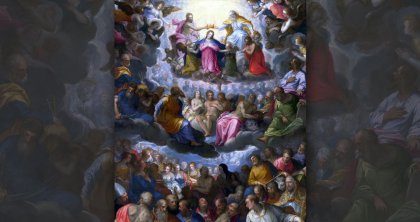
1. a) The actor, also known as the petitioner, advances the cause of canonization. Any member of the People of God or any group of the faithful recognized by ecclesiastical authority can exercise this function.
b) The petitioner works on the cause through a legitimately appointed postulator.
2. a) The postulator is appointed by a mandate of powers drawn up according to the norm of law with the approval of the bishop.
b) During the time the cause is before the Sacred Congregation, the postulator, duly approved by that Congregation, must have a permanent residence in Rome.
3. a) Postulators may be priests, members of institutes of consecrated life, or lay persons. All must be experts in theology, law, and history, as well as the norms of the Sacred Congregation.
b) It is the primary task of the postulator to investigate the life of the Servant of God whose cause it is, to learn about his reputation of sanctity and the ecclesial importance of the cause, and to inform the bishop.
c) The postulator is also tasked with the administration of the assets offered for the cause according to the norms of the Sacred Congregation.
4. The postulator has the right to be substituted by others who are known as vice-postulators, according to a legitimate mandate and with the agreement of the petitioners.
5. a) The Bishop whose competence it is to instruct causes of canonization is the one in whose territory the Servant of God died, unless particular circumstances, recognized as such by the Sacred Congregation, suggest otherwise.
b) In the case of an alleged miracle, the competent Bishop is the one in whose territory the event took place.
6. a) The Bishop can instruct the cause either personally or through his delegate, who must be a priest truly expert in theological, canonical, and in the case of ancient causes, also historical matters.
b) The priest who is chosen as the promotor of justice must have the same qualities.
c) All officials who take part in the cause must take an oath to faithfully fulfill their duty and are bound to secrecy.
7. A cause can be recent or ancient. It is called recent if the martyrdom or virtues of the Servant of God can be proven by the oral depositions of eye witnesses. It is ancient when the proof of martyrdom or virtues can be brought to light only from written sources.
8. Whoever intends to initiate a cause of canonization is to present to the competent Bishop, through the postulator, a written petition requesting the instruction of the cause.
9. a) In recent causes, the petition must be presented no sooner than five years after the death of the Servant of God.
b) If it is presented after 30 years, the Bishop may not proceed further unless, after careful investigation, he is convinced that there was no fraud in the case or deceit on the part of the petitioners in delaying the initiation of the cause.
10. Together with the written petition, the postulator must present:
1. For both recent and ancient causes, a biography of a certain hhistorical value on the Servant of God, should it exist; or otherwise, an accurate chronological report on the life and activities of the Servant of God, on his virtues or martyrdom, on his reputation of holiness and miracles, without omitting what may seem contrary or unfavorable to the Cause [1];
2. Authentic copies of all the published writings of the Servant of God;
3. For recent causes only, a list of persons who can contribute to ascertaining the truth about the virtues or martyrdom of the Servant of God, and about his reputation of sanctity or of miracles, or refute them.
11. a) Once the petition has been accepted, the Bishop is to consult with the Conference of Bishops, at least of that region, about the appropriateness of initiating the cause.
b) The Bishop is to make public of the postulator in his own diocese and, if he thinks it is advisable, in other dioceses, with the permission of their respective Bishops, and invite all the faithful to bring to his attention any useful information regarding the cause.
12. a) If an obstacle of significant importance against the cause emerges from the information he has received, the Bishop must notify the postulator so that he can remove that obstacle.
b) If the obstacle has not been removed and the Bishop judges that the cause should not proceed, he is to advise the postulator giving the reasons for his decision.
13. If the Bishop intends to initiate the cause, he is to seek the vote of two theological censors on the published writings of the Servant of God. These censors are to report whether anything is found in the writings contrary to faith and good morals. [2]
14. a) If the votes of the theological censors are favorable, the Bishop is to order that all the writings of the Servant of God, unpublished as well as each and every historical document, either manuscript or published, which in any way pertain to the cause, be gathered. [3]
b) When such a search is to be made, especially in the case of ancient causes, experts in historical and archival matters are to carry it out.
c) After the task has been completed, the experts are to hand over to the Bishop an accurate and precise report together with the collected writings. In this report, they are to state and guarantee that they fulfilled their duty properly; include a list of the writings and documents; express a judgment on their authenticity and value as well as on the personality of the Servant of God, as can be deduced from the same writings and documents.
15. a) Once the report has been received, the Bishop is to hand over to the promotor of justice or to another expert everything gathered up to that point so that he might prepare the interrogatories that will be useful in searching out and discovering the truth about the life of the Servant of God, his virtues or martyrdom, his reputation of holiness or of martyrdom.
b) For ancient causes, interrogatories will only involve the reputation of sanctity or martyrdom still existing in the present as well as, if it be the case, the cult given to the Servant of God in more recent times.
c) In the meantime, the Bishop is to send to the Congregation for the Causes of Saints a brief report on the life of the Servant of God and the importance of the cause, in order to ascertain whether there is any obstacle to the cause on the part of the Holy See.
16. a) Then the Bishop or his delegate is to examine the witnesses proposed by the postulator and others to be questioned ex officio. A Notary is to be employed to transcribe the deposition of the witness, which is to be confirmed by the witness himself at the end of his testimony.
However, if it is urgent that witnesses be examined to prevent loss of any proofs, they are to be questioned even though the gathering of the documents has not yet been completed. [4]
b) The promotor of justice is to participate in the examination of the witnesses. If they are not present, the acts are to be submitted afterwards for his examination so that he can make his observations and propose anything which he judges to be necessary and opportune.
c) The witnesses are to be examined first regarding the interrogatories; afterward, the Bishop or his delegate should ask the witnesses other necessary or useful questions so that their statements may be clarified any difficulties which may have emerged may be plainly resolved and explained.
17. The witnesses must be eye witnesses; if the case warrants it, second-hand witnesses may be added. All, however, must be trustworthy.
18. The first witnesses to be presented will be blood relatives and other relatives of the Servant of God as well as others who have had familiarity with him and acquaintances.
19. In order to prove the martyrdom or the practice of virtues and the reputation of miracles of the Servant of God who belonged to an institute of consecrated life, a significant number of the proposed witnesses must be from outside the Institute unless, on account of the particular life of the Servant of God, this should prove impossible.
20. Those who cannot be witnesses are:
1. A priest, with regard to all those things which were made known to him through the sacrament of Penance;
2. Regular confessors or spiritual directors of the Servant of God, with regard also to all those things which they learned from the Servant of God in the forum of conscience outside the sacrament of Penance;
3. The postulator of the cause, during his term as postulator.
21. a) The Bishop or his delegate is to call some witnesses ex officio who can contribute to the completion of the inquiry, if it be the case, particularly if they are opposed to the cause.
b) The Bishop or his delegate is also to call as ex officio witnesses those experts who conducted the investigations of the documents and wrote the corresponding report. They must declare under oath:
1. hat they conducted all the investigations and that they gathered all that which pertains to the cause;
2. that they neither changed nor destroyed any document or text.
22. a) In the case of miraculous healings, the physicians who treated the patient are to be called as witnesses.
b) If they refuse to appear before the Bishop or his delegate, the Bishop or his delegate is ensure that they write a report, under oath if possible, about the disease and its evolution, which is to be included in the acts, or at least ensure their opinion is heard by a third party, who is then to be examined.
23. The witness must declare the source of his knowledge of the facts that are the object of his testimony. Otherwise his testimony is to be considered null.
24. If the witness wishes to hand in a written declaration either at the time of his oral testimony or at another time, the Bishop or his Delegate may accept it, provided the witness sign it and declare under oath that he is its author and that what he has written is true. The written declaration must be included in the acts of the Inquiry.
25. a) In whatever way witnesses provide their information, the Bishop or his delegate must diligently authenticate it with his signature and seal.
b) The documents and written testimony, whether gathered by the experts or handed over by others, are to be authenticated by the signature and seal of a notary or public official who will attest to its authenticity.
26. a) If inquiries regarding documents or witnesses must be made in another diocese, the Bishop or his delegate is to send a letter to the competent Bishop, who is to act according to the norm of these statutes.
b) The acts of the of inquiry are to be kept in the archive of the Chancery and a copy, made according to the norm of nos. 29 and 30, is to be sent to the Bishop who requested the inquiry.
27. a) The Bishop or his delegate is to take the greatest care that in gathering proof, nothing is omitted which in any way pertains to the cause, knowing for certain that the positive outcome of a cause depends to a great extent on its good instruction.
b) Once all the proofs have been gathered, the promotor of justice is to examine all the acts and documents so that, should he deem it necessary, he may request further inquiries.
c) The postulator is also entitled to examine the acts so that, if it be the case, the proofs may be completed through new witnesses or documents.
28. a) Prior to the closing of the inquiry, the Bishop or his delegate must inspect the tomb of the Servant of God, the room where he lived and/or died, and other possible places where signs of unlawful cult may be found and make a declaration attesting to the fact that the Decrees of Urban VIII on the Absence of Cult. [5]
b) A report is to be drawn up regarding everything that has been done and it is to be inserted into the acts.
29. a) Once the instruction has been completed, the Bishop or his delegate is to order that a transcript be made unless, in light of proven circumstances, he has already permitted this to be done during the instruction phase.
b) The transcript is to be drawn from the original acts and made in duplicate.
30. a) Once the transcript has been finished, a comparison is to be made with the original and the notary is to sign each page with at least his initials and affix his seal.
b) The original, closed and sealed, is to be kept in the archive of the Chancery.
31. a) The transcript of the inquiry and attached documents, duly closed and sealed, are sent by a secure means to the Sacred Congregation in duplícate, together with a copy of the books of the Servant of God which were examined by the theological censors and their judgment. [6]
b) If a translation of the acts and documents into a language accepted by the Sacred Congregation is necessary, two copies of the translation are to be prepared and declared authentic. These are to be sent to Rome with the transcript of the inquiry.
c) Furthermore, the Bishop or his delegate is to send the Cardinal Prefect a letter testifying to the trustworthiness of the witnesses and the legitimacy of the acts.
32. The inquiry on miracles is to be instructed separately from the inquiry on virtues or martyrdom and is to be conducted according to the norms which follow. [7]
33. a) Once the Bishop competent according to norm no. 5b has accepted the petition of the postulator together with a brief but accurate report on the alleged miracle as well as pertinent documents, he is to ask for the judgment of one or two experts.
b) If then he has decided to instruct a judicial inquiry, he is to examine all the witnesses either personally or through his delegate, according to the norms established above in nos. 15 a, 16-18 and 21-24.
34. a) In the case of a cure from some disease, the Bishop or his delegate is to seek help from a physician, who is to propose questions to the witnesses in order to clarify matters according to necessity and circumstances.
b) If the person healed is still alive, he is to be examined by experts so that the duration of the healing can be ascertained.
35. A transcript of the inquiry together with attached documents is to be sent to the Sacred Congregation according to nos. 29-32.
36. Celebrations of any type or panegyric speeches about Servants of God whose sanctity of life is still being legitimately examined are prohibited in Churches.
Normatives
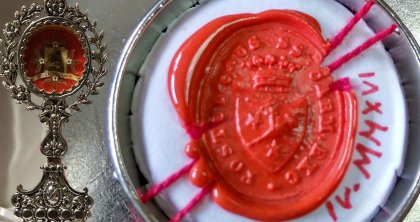
«The honor paid to sacred images is a ‘respectful veneration,’ not the adoration due to God alone: Religious worship is not directed to images in themselves, considered as mere things, but under their distinctive aspect as images leading us on to God incarnate. The movement toward the image does not terminate in it as image, but tends toward that whose image it is.» (Catechism of the Catholic Church, 2131-2132)
«The relics direct us towards God himself: it is he who, by the power of his grace, grants to weak human beings the courage to bear witness to him before the world. By inviting us to venerate the mortal remains of the martyrs and saints, the Church does not forget that, in the end, these are indeed just human bones, but they are bones that belonged to individuals touched by the living power of God. The relics of the saints are traces of that invisible but real presence which sheds light upon the shadows of the world and reveals the Kingdom of Heaven in our midst.» (Benedict XVI, Address Welcoming the Young People to World Youth Day, Cologne, August 18, 2005)
 pdf
Le Reliquie nella Chiesa Autenticità e Conservazione(150 KB)
pdf
Le Reliquie nella Chiesa Autenticità e Conservazione(150 KB)
The Office of the Postulator General is tasked with the custody and distribution of the relics of the blesseds and saints who are members of the Order and relics belonging to the order. To request relics, the following norms must be kept in mind:
- It is the competence of the Office of the Postulator General to evaluate the requests received and grant the relics, accompanied with a certificate of authenticity and sealed with the seal of the Office of the Postulator General.
- Every petition must be delivered to the Office of the Postulator General by means of correspondence on letterhead with the signature of the responsible officer and the seal of the office. The request must be accompanied by the original "nihil obstat" of the Ordinary of the location; requests by telephone, email, or fax are not considered.
- Normally, only petitions from parish pastors or superiors of religious community are accepted. They must always specify that the relics are for public veneration by the faithful and must clearly indicate the place within the church or public chapel where the relic will be placed for veneration by the faithful.
- Requests by laity (seminarians included) will not be considered except in exceptional cases. Requests by relic collectors will not be considered. Only one relic of a particular saint or blessed will be given.
- Requests are accepted for places where there is an existing veneration or where it is desired to increase devotion (for example, through a catechetical formation program, on the occasion of the exposition of a new image of saint or blessed, a pilgrimage, etc.).
For the consecration of altars, requests may be made for “outstanding” relics that the Office of the Postulator will consider on a case-by-case basis. The request must always carry its "nihil obstat" of the Ordinary of the location and specify for which church the request is being made.
A) To request a relic, fill out the form available at this link.
B)If the request is approved, the relic will only be mailed or personally delivered after receiving an original letter from the Bishop to the Office of the Postulator General. The address is:
Postulator General OCD
Corso d'Italia 38
00198 Rome, Italy
Devotion

The cult of relics was born as a memorial and veneration of the tomb of a martyr. In the century following, veneration of the bones of holy monks also began as an affectionate gesture toward the fathers. Through veneration of what remained of their sojourn on earth, veneration of their life, their example, and of a mysterious communion with them was manifested. In a “rationalistic” worldview, veneration of relics is an archaic behavior that leads to absurdities. Pilgrimage sites have fought to obtain relics, have created them, have marketed them, etc. Man, smothered by his condition, by fear of suffering and death, takes refuge in magical behavior that protects him and permits him to survive. Today, science sheds light on all these attitudes. Many “extraordinary” events of the past have been explained by science, and those which have not, will be in the future. The contrary position is magical, devoid of all critical spirit: relics are a type of “talisman” that protects; the supernatural is seen as a radioactive force which, without being seen, acts. It is necessary to carry out a certain number of actions and the result will follow. Medals, reliquaries, and prayers are the required conditions. Truth be told, the concrete history of our “saints” is very far from all that. It is clear that one must avoid misunderstandings and exaggerations and have a proper devotion, but according to the doctrine of the Catholic Church, devotional acts are similar to magical or superstitious practices because, while the person who practices the latter believes that the acts are efficacious in themselves, in the case of relics, the contrary is true: it is not the act itself which is efficacious, but rather the prayer that accompanies it, and then only when the grace requested is granted by the free choice of God. We invoke the saints so that they, in turn, intercede before the Lord, always, to the very last prayer. To venerate a relic is to venerate the mercy of God that has been effected in the saint. Praying before the body of a saint is giving thanks to God who has sustained him along the path of sanctity.
Last News

Venerable Jean-Thierry of the Child Jesus and the …
June 17, 2026

Venerable Maria Eletta di Gesù
June 17, 2026

Venerable Maria Teresa of the Most Holy Trinity (Y…
June 17, 2026

Blessed Anna of Saint Bartholomew
June 10, 2026

Martyrs of Santander
May 27, 2026
