



Links - Anastasio Alberto Ballestrero (cardinale)


Documentation [Anastasio Alberto Ballestrero (cardinale)]
PLEASE NOTE
1) In order to be able to consult the Positio please fill in the request form on this page.
2) If your request is accepted, we will then send you the conditions and directions for consulting the document.
Anastasio Alberto Ballestrero (cardinale)
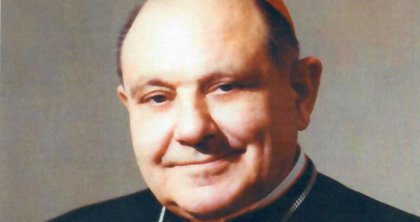
Anastasio Ballestrero was born in Genoa on October 3, 1913, the first of five children of Giacomo Ballestrero and Antonietta Daffunchio.
He entered the Order of Discalced Carmelites. On 6th of June 1936 he was ordained a priest. He participated in the Second Vatican Council as Superior General of the Carmelites, a position he held for 12 years, from 1955 to 1967. On 21 December 1973 he was appointed Archbishop of Bari and Canosa. He received episcopal consecration on February 2nd, 1974.
In 1975 he preached the spiritual exercises to Paul VI and the Vatican Curia. On 1st of August 1977 he was called to succeed Cardinal Michele Pellegrino and was appointed Archbishop of Turin. Pope John Paul II elevated him to the rank of cardinal in the consistory of 30th of June 1979. From 1979 to 1985 he was president of the Italian Bishops' Conference. On February 5, 1980 he formalized the constitution of the Turin diocesan Caritas, after an experimental period during which it had been managed by the engineer Giorgio Ceragioli. On that occasion he appointed Don Piero Giacobbo as director, who in 1986 was replaced in the leadership of Caritas by Fr Sergio Baravalle.
His pastoral letters, as well as the two diocesan ecclesial conferences that were held during his episcopate (Evangelization and Human Promotion and On the Roads of Reconciliation), had a considerable influence on the path of the Turin Church in those years.
On November 14th, 1983, after the decision of the former King of Italy, Umberto II, to donate it to the Catholic Church, he was appointed custodian of the Holy Shroud; in this capacity he made known the results of the tests carried out on the relic by the carbon-14 method.
He left the post of archbishop of Turin on 31st of January 1989. He died in Bocca di Magra, in the Carmelite spirituality house, where he had retired, on June 21st, 1998 at the age of 84. He is buried in the crypt of the hermitage of the Desert house of Varazze.
On 9 October 2014, the Diocesan Inquiry into his "life, virtue and reputation of holiness" began in the Archdiocese of Turin.
Procedure Agostino Maria del SS.mo Sacramento (Hermann Cohen)
2. To initiate a Cause it is necessary that at least five years pass after the death of the candidate. This is to allow for greater balance and objectivity in the evaluation of the case and to allow the emotions of the moment to decant. There must be a clear conviction among people about his/her sanctity (fama sanctitas) and about the efficacy of his/her intercession with the Lord (fama signorum).
Links - Agostino Maria del SS.mo Sacramento (Hermann Cohen)
Documentation [Agostino Maria del SS.mo Sacramento (Hermann Cohen)]
![Documentation [Agostino Maria del SS.mo Sacramento (Hermann Cohen)]](/media/k2/items/cache/08ebf71ab73222fbbefe3b10163d3783_Generic.jpg)
PLEASE NOTE
1) In order to be able to consult the Positio please fill in the request form on this page.
2) If your request is accepted, we will then send you the conditions and directions for consulting the document.
[No form id or name provided!]
Agostino Maria del SS.mo Sacramento (Hermann Cohen)
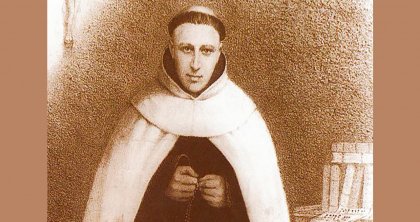
Hermann Cohen born in Hamburg, Germany, on November 10, 1820, to an old Jewish family, showed an extraordinary talent for the piano from the age of four.
In 1833, at the age of twelve, he left Germany to live in Paris with Franz Liszt, of whom he became the favourite pupil. Years of wandering and moral unrest followed. For fourteen years, the young prodigy succumbed to the temptations of comfort and the heady effects of success. In May 1847, while directing a liturgical choir, he began a whole process of conversion through and in the worship of the Eucharist. Hermann founded the work of the Nocturnal Adoration of the Blessed Sacrament in France, which was founded in the Basilica of Notre-Dame des Victoires on December 6, 1848. He had been baptized the previous year, on August 28, 1847, on the feast of St. Augustine.
In 1849 he entered the Order of Discalced Carmelites, recently re-established in France after the devastation of the Revolution. Ordained a priest (1851), the young religious actively engaged in the renewal of his Order. Since then his whole life was dedicated to an ardent love for the Blessed Sacrament and for the Virgin Mary, whom he called "Mother of the Eucharist".
Father Augustine-Mary of the Blessed Sacrament - such was his religious name - devoted himself to much successful preaching. Although he wished to hide forever in the "Desert" he had founded not far from Lourdes, two years before the apparitions, he had to travel throughout Europe at the behest of his superiors. They entrusted him with important missions: the restoration of the Lyon monastery (1859), of which he was made prior, the re-establishment of the Carmelite Order in England (1862), the foundation of the Bagnères monastery (1856), etc..
In 1868 he finally obtained permission to retire to his Pyrenees Desert, which allowed him to reconnect with the hermit origins of Carmel. As soon as he arrived, he was struck by a serious eye disease. The first of the children of Israel to make the pilgrimage to Lourdes, he was miraculously healed at the Grotto, ten years after the apparitions of the Virgin Mary.
Father Hermann was appointed Master of Novices of his Province in 1870. A few months later he left for Berlin as chaplain to French prisoners. The friend of saints (he was very close to St. Bernadette, the Curé of Ars and Blessed Pope Pius IX) dedicated himself to his brothers. During a smallpox epidemic, he contracted the terrible disease and died in Germany on January 20, 1871, a victim of his charity.
A highlight in the Cause of the Servant of God, Emile Biayenda
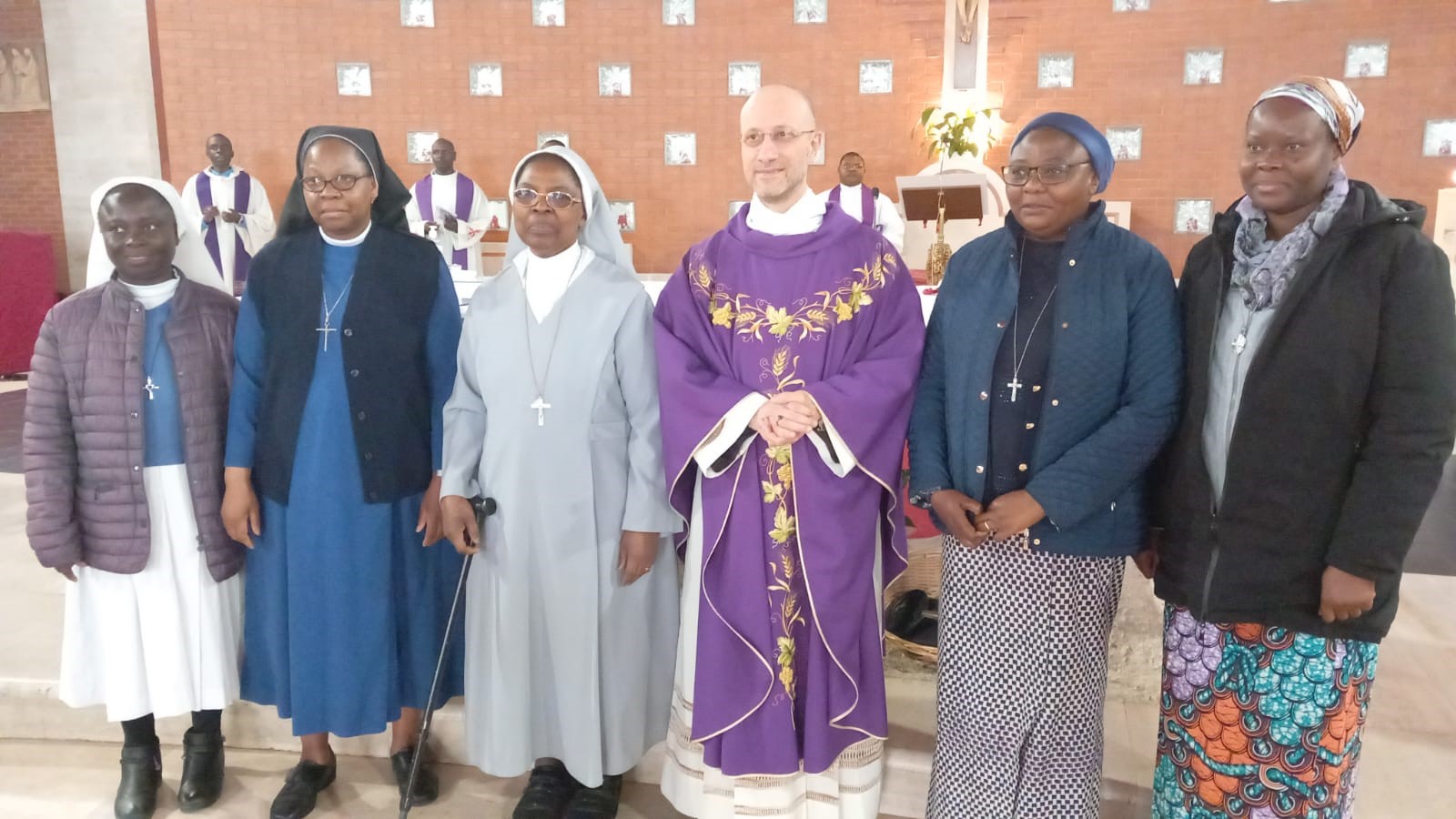
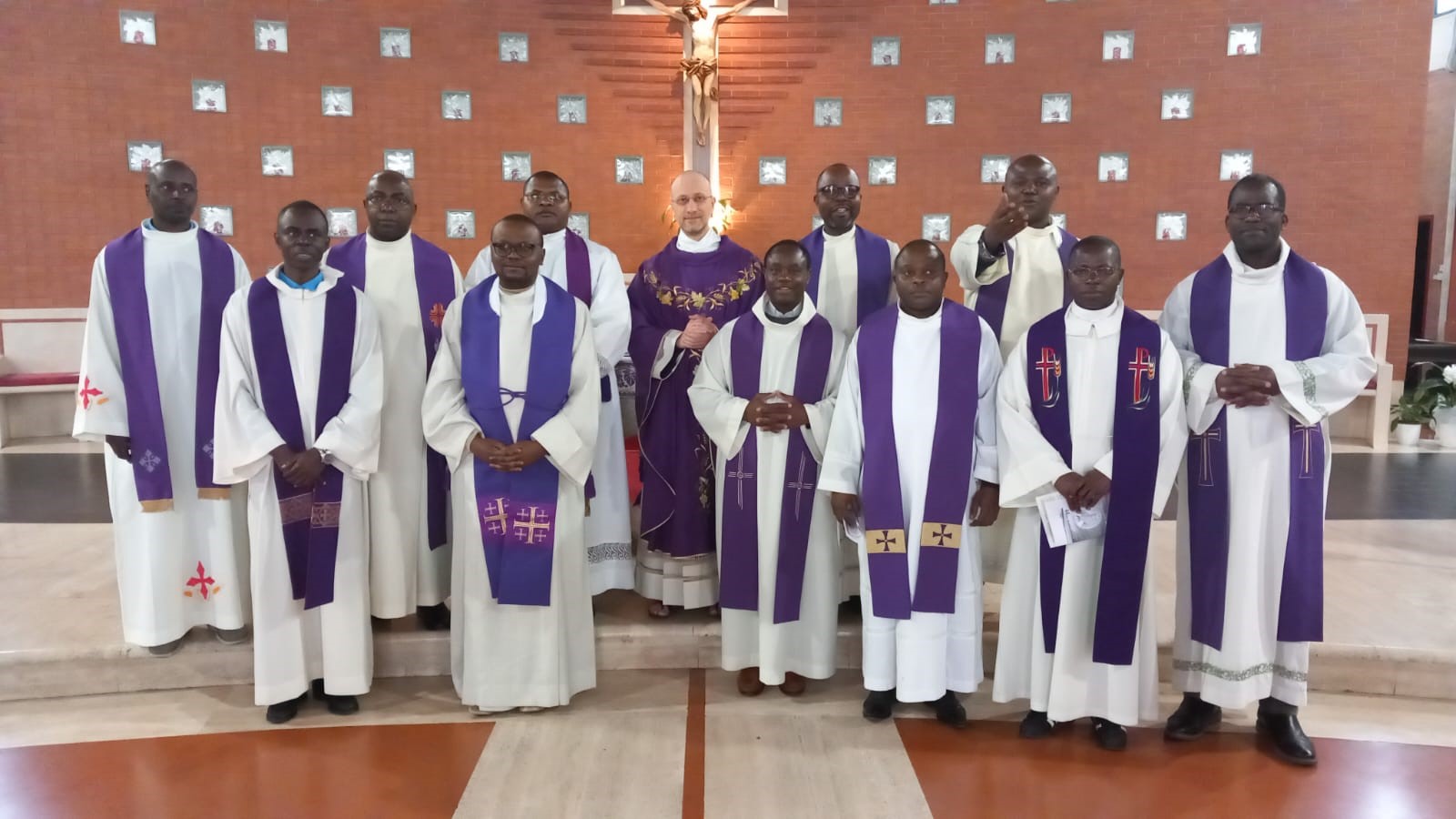
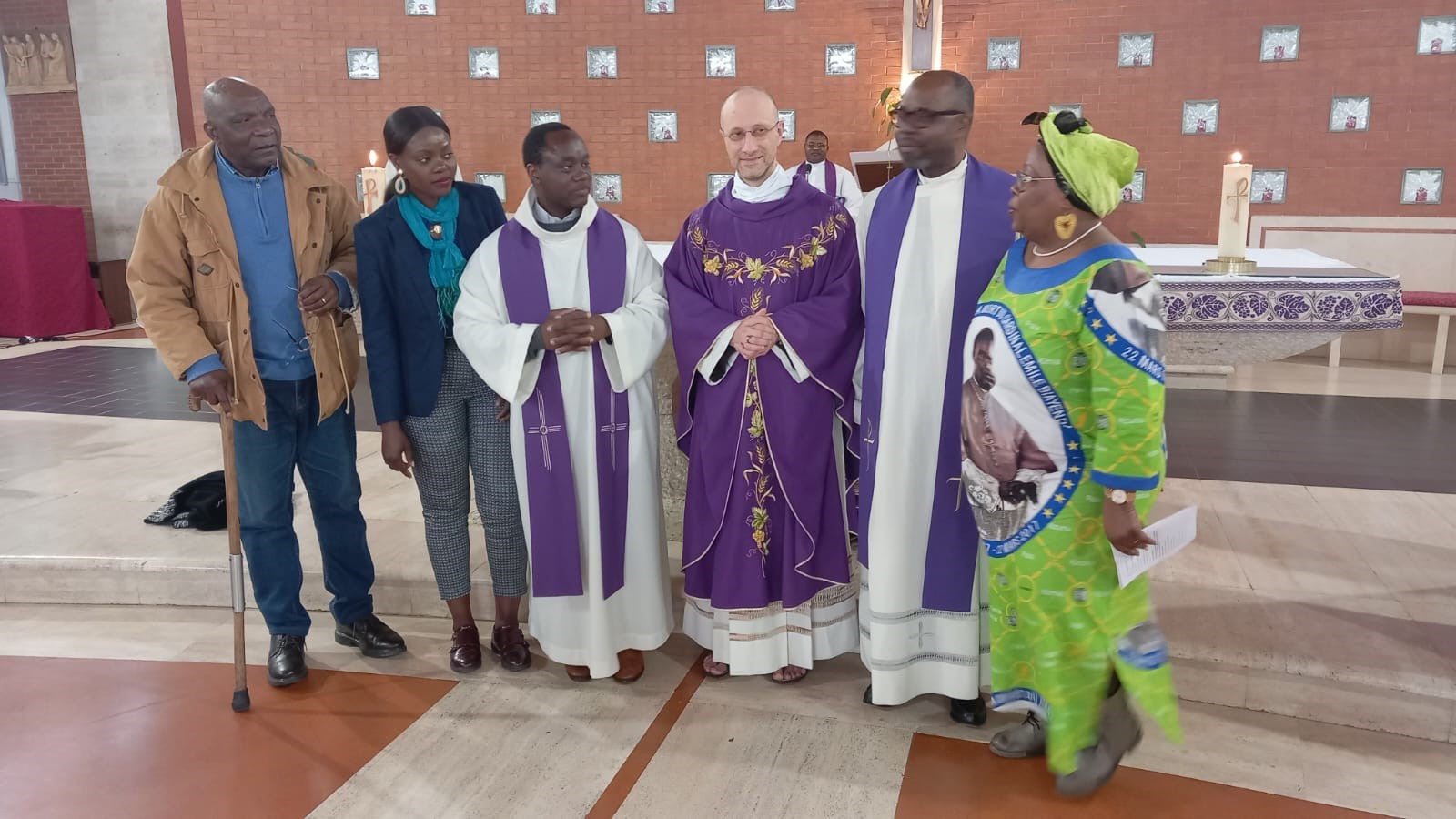
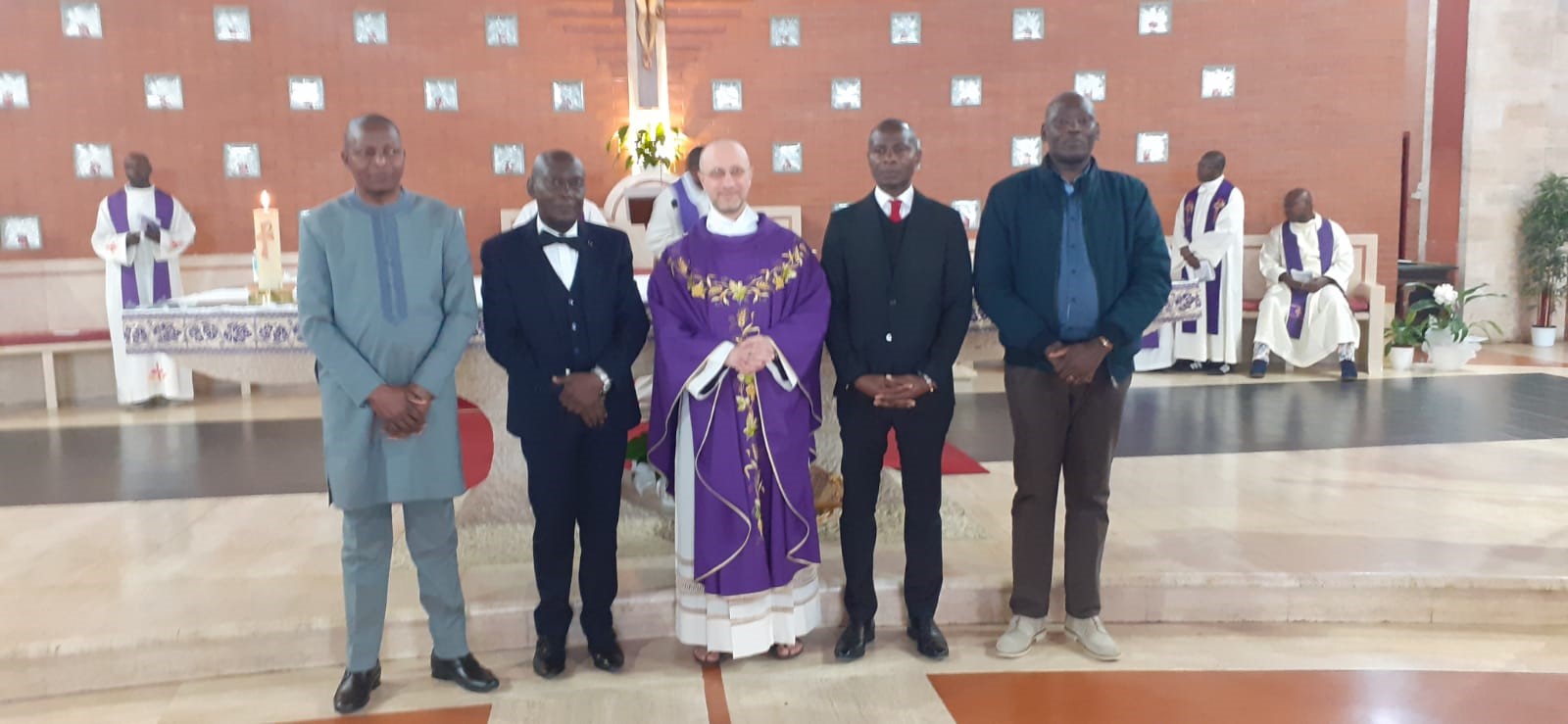
On Sunday, March 26, 2023, in the "Most Holy Redeemer" church, a Eucharistic celebration was held for the 46th anniversary of the death of the Servant of God, Emile Biayenda, Cardinal, killed in Brazzaville, Congo.
Presiding at the Eucharist was Fr Marco Chiesa, the Postulator for the Cause of beatification and canonization.
Following are some photos and a video.
https://www.postocd.org/index.php/en/biography-maria-degli-angeli-operti/itemlist/user/42-superuser?start=560#sigProId6788839f51
A highlight in the cause of the Servant of God, Marcellus of the Immaculate
On February 22, 2023, the Dicastery for the Causes of Saints issued the decree validating the diocesan process on the life, heroic virtues, reputation for holiness and its signs of the Servant of God Marcellus of the Immaculate (born: Carlo Zucchetti), professed priest of the Order of Discalced Carmelites. Below is the document.
A Highlight in the cause of Maria of Carmel of the Most Holy Trinity
Last News

Venerable Jean-Thierry of the Child Jesus and the …
June 17, 2026

Venerable Maria Eletta di Gesù
June 17, 2026

Venerable Maria Teresa of the Most Holy Trinity (Y…
June 17, 2026

Blessed Anna of Saint Bartholomew
June 10, 2026

Martyrs of Santander
May 27, 2026
